Buying personal protective equipment (PPE) in bulk requires more than comparing unit prices. Importers, wholesalers, distributors, and industrial suppliers need to confirm product specifications, quality requirements, packaging, delivery schedules, and trade terms before placing an order.
A structured purchasing checklist helps reduce misunderstandings, improve supplier communication, and make bulk procurement more predictable.
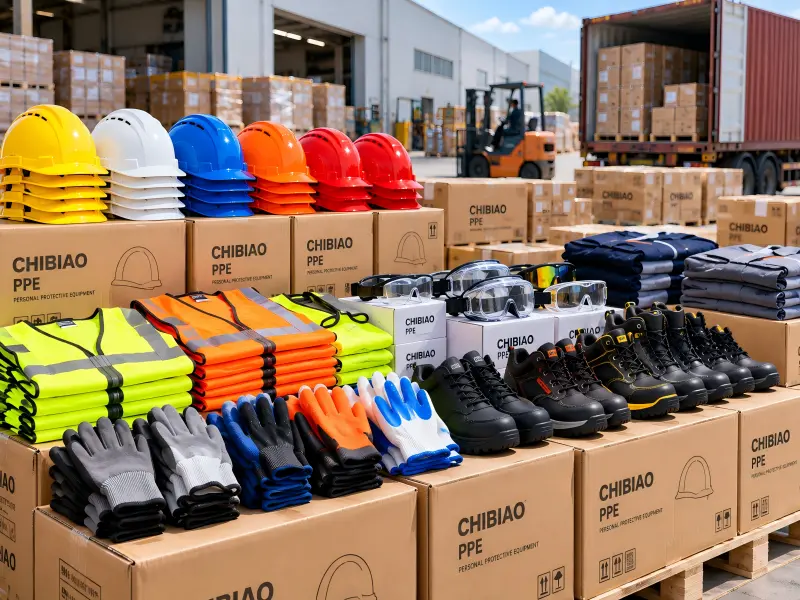
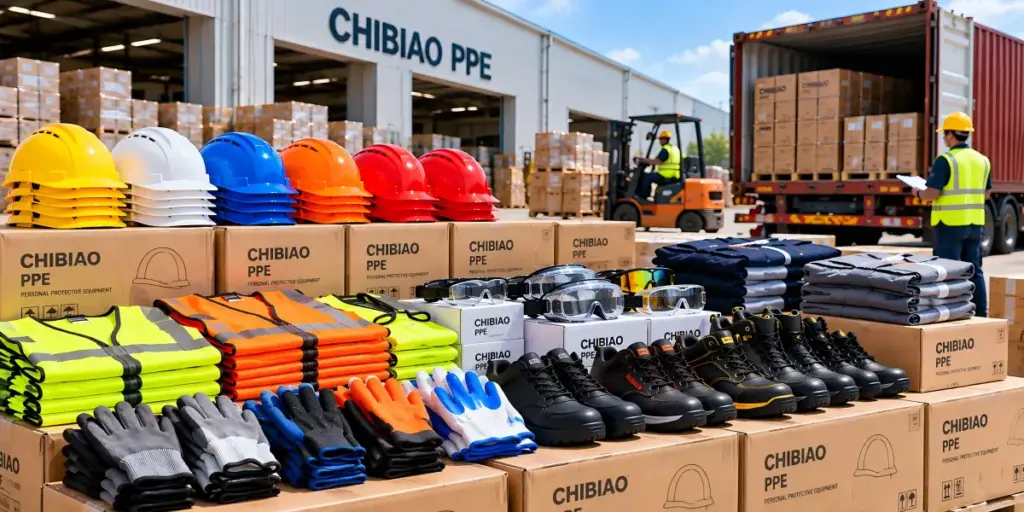
This guide outlines the key points to review before ordering safety helmets, high-visibility safety vests, safety gloves, safety shoes, safety boots, workwear, and other PPE products.
1. Define Your Product Requirements
Start by identifying exactly what your business needs. Avoid requesting a quotation based only on a general product name.
Confirm the following details for each item:
- Product type and intended application
- Model or product reference, if available
- Material and construction
- Color and available sizes
- Required features and accessories
- Applicable safety standards or certification requirements
- Estimated order quantity
For example, a safety helmet quotation should specify the required helmet type, material, color, suspension system, and any additional features. A safety vest quotation should clarify fabric type, reflective tape, pocket configuration, color, and size range.
Clear specifications help suppliers quote the correct product and reduce the risk of receiving unsuitable goods.
2. Confirm Quantities and Product Mix
Before requesting a quotation, prepare a quantity breakdown.
Check:
- Total quantity required for each product
- Quantity by color and size
- Whether different models will be combined in one order
- Whether the supplier has minimum order quantities
- Whether quantities can be adjusted before production
- Whether samples are required before bulk production
If you purchase multiple PPE categories, list each item separately. Do not rely on a single total quantity for the entire order.
Ask the supplier to confirm whether the quoted price applies to the exact quantity and product mix you intend to purchase.
3. Verify Product Specifications and Quality Requirements
Product appearance alone does not establish suitability for a particular workplace.
Before ordering, confirm the technical specifications and quality requirements that apply to your market and end users.
Review:
- Material and key dimensions
- Weight, where relevant
- Construction and functional features
- Color consistency and workmanship
- Packaging condition
- Applicable test reports or conformity documents, where required
- Inspection criteria and acceptance requirements
If a product must comply with a particular standard, identify the exact standard and required product category before placing the order. Ask the supplier for relevant documentation and verify that it applies to the specific product being offered.
Do not assume that all products in the same category meet the same requirements.
4. Request and Evaluate Samples
Samples can help you assess product appearance, workmanship, fit, packaging, and suitability before committing to a larger order.
Before requesting samples, agree on:
- Sample model and specifications
- Sample quantity
- Sample price, if applicable
- Courier and shipping costs
- Estimated dispatch time
- Whether the approved sample will be used as the bulk production reference
Record any changes requested after sample evaluation. If the sample is approved, make sure the final quotation and order documents identify the agreed product specifications.
A sample review should support the purchasing decision, but it does not replace any required testing, certification verification, or formal quality inspection.

5. Compare Quotations on the Same Basis
The lowest unit price is not necessarily the most competitive offer.
When comparing suppliers, check whether each quotation covers the same product specification, order quantity, packaging, delivery arrangement, and payment conditions.
Review the following:
- Unit price and currency
- Minimum order quantity
- Tooling, printing, or customization charges, if applicable
- Packaging costs
- Sample and inspection costs
- Freight and insurance responsibilities
- Applicable trade terms and named delivery locations
- Quotation validity period
For international orders, confirm the agreed Incoterm and named place or port. Clarify which party is responsible for transportation, export formalities, insurance, and other relevant costs.
Compare the total purchasing cost on a consistent basis rather than comparing unit prices alone.
6. Confirm Packaging and Shipping Marks
Packaging affects product protection, warehouse handling, shipment planning, and distribution.
Before ordering, confirm:
- Units per inner package or carton
- Carton dimensions and gross weight, where available
- Packaging material and protection requirements
- Product labels and carton markings
- Shipping marks and consignee information
- Barcode or private-label requirements, if applicable
- Palletization requirements, if needed
For customized packaging, approve the artwork and wording before production. Ensure that product labels and markings meet the requirements of your destination market and intended distribution channel.
Request carton and packing information early if you need to estimate shipping volume or freight costs.
7. Agree on Production and Delivery Schedules
A supplier’s estimated lead time should be clearly understood before the order is confirmed.
Ask the supplier to clarify:
- Whether the products are in stock or require production
- Estimated production lead time
- Whether customization will affect the schedule
- Sample approval and artwork approval deadlines
- Inspection timing
- Estimated shipment date
- Required shipping documents
- How delays or changes will be communicated
Distinguish between production completion, dispatch, departure, and arrival. These are different milestones.
If your business has a fixed delivery deadline, communicate it before confirming the order and allow time for inspection, transport, customs clearance, and local delivery.
8. Confirm Payment Terms and Order Documents
Before making payment, ensure that the commercial documents accurately reflect the agreed transaction.
Review the following:
- Seller’s legal company name and contact details
- Buyer information and consignee details
- Product descriptions and specifications
- Quantities and unit prices
- Total order value and currency
- Payment schedule and payment method
- Delivery terms and named location
- Estimated delivery schedule
- Packaging requirements
- Agreed quality requirements
- Applicable inspection and claims procedures
Check that the Proforma Invoice (PI) matches the final quotation and the terms agreed with the supplier.
For international transactions, confirm the seller’s legal identity and verify payment instructions through a trusted communication channel, particularly when bank details change.
9. Establish Inspection and Non-Conformity Procedures
Agree on how product quality will be checked and how problems will be handled.
Depending on the product and order, discuss:
- Pre-production or sample approval
- In-process checks, where applicable
- Pre-shipment inspection
- Inspection scope and acceptance criteria
- Required photographs, reports, or test records
- Procedure for reporting shortages, damage, or non-conforming products
- Agreed process for corrective action or commercial resolution
Inspection requirements should be agreed before production or shipment, not introduced for the first time after a problem occurs.
Keep written records of approved samples, specifications, inspection results, and any agreed changes.
10. Evaluate the Supplier’s Communication and Reliability
A reliable supplier should be able to explain the offered product, identify what has and has not been confirmed, and communicate clearly about price, quality, and delivery.
Before committing to a large order, consider:
- Responsiveness and clarity of communication
- Ability to provide product specifications
- Availability of relevant supporting documents
- Transparency about lead times and limitations
- Consistency between quotations and order documents
- Ability to handle packaging or customization requests
- Clear procedures for resolving issues
For a new supplier, consider starting with samples or a manageable initial order when commercially appropriate. Build larger purchasing commitments as product suitability, communication, and performance are verified.

11. Final Pre-Order Checklist
Use this checklist before confirming your PPE order:
- Product models and specifications are confirmed.
- Quantities, sizes, and colors are checked.
- Applicable standards and documentation requirements are identified.
- Samples have been evaluated where needed.
- Prices and additional charges are understood.
- Packaging and shipping marks are approved.
- Production and delivery schedules are agreed.
- Payment terms and seller details are verified.
- The Proforma Invoice matches the agreed requirements.
- Inspection criteria and issue-resolution procedures are documented.
- Required shipping and export documents are confirmed.
- Final changes have been recorded in writing.
Conclusion
Successful PPE bulk purchasing depends on clear specifications, consistent quotation comparisons, documented quality requirements, reliable communication, and careful order confirmation.
By using a structured checklist, importers and distributors can reduce avoidable purchasing risks and improve coordination with their suppliers.
Planning a bulk PPE order? Contact CHIBIAO PPE to discuss your product requirements, specifications, packaging options, and quotation needs for your target market.