
Choosing the right industrial safety helmet is an important part of workplace safety and PPE procurement. For importers, wholesalers, distributors, and industrial buyers, selecting a suitable helmet involves more than comparing prices. Product design, material, suspension system, working environment, applicable safety requirements, and supplier reliability should all be considered.
This guide explains the key factors buyers should review when sourcing industrial safety helmets.

1. Identify the Intended Working Environment
Start by identifying where and how the helmet will be used. Construction sites, manufacturing facilities, warehouses, utilities, and other industrial environments may have different head-protection requirements.
Before selecting a product, buyers should clarify the workplace hazards and consult the applicable workplace safety rules and product standards for the destination market.
Do not assume that one helmet design is suitable for every application.
2. Compare Helmet Shell Materials
Industrial safety helmets may be available in different shell materials, depending on the product design and intended application.
When comparing options, buyers should review:
- The material specified by the manufacturer
- The intended application and environmental conditions
- The product’s applicable safety standards and test documentation
- The manufacturer’s care, inspection, and replacement instructions
Material alone does not establish whether a helmet meets a particular safety requirement. Buyers should verify the complete product specification and supporting documentation.
3. Check the Suspension System and Fit
The suspension system helps position the helmet on the wearer’s head. Buyers should confirm the suspension design, adjustment method, fit range, and compatibility with the intended use.
Important questions include:
- How many suspension attachment points does the product have?
- Is the headband adjustable?
- Can the helmet be fitted securely and comfortably?
- Are replacement suspension components available?
- Are accessories compatible with the helmet model?
The number of suspension points and the product’s construction should be confirmed from the actual product specification rather than assumed from appearance.
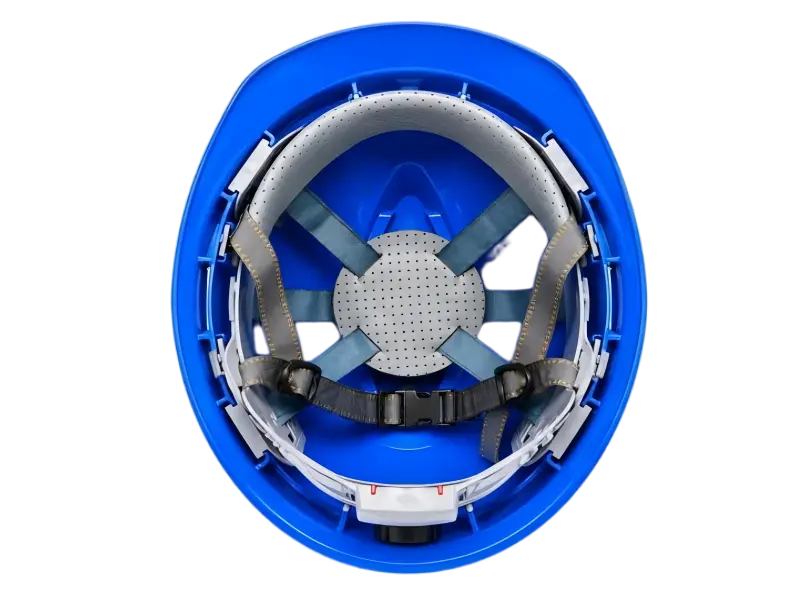
4. Consider Ventilation and Accessories
Vented and non-vented helmet designs may be available for different working conditions. Buyers should determine whether ventilation is appropriate for the intended hazards and the requirements of the destination market.
Where accessories are required, check compatibility before ordering. Depending on the product design, accessories may include face shields, hearing protection, chin straps, or other approved components.
Never assume that an accessory is compatible with every helmet model.
5. Verify Standards and Product Documentation
Before placing a bulk order, identify which safety standards and regulatory requirements apply in the destination market.
Ask the supplier for relevant documentation, such as:
- The exact product model and specification
- Applicable conformity or certification documents, where required
- Available test reports and their scope
- Manufacturer instructions for use, inspection, and maintenance
- Product labels and packaging information
Verify that the documents correspond to the exact model being purchased. Do not rely on general claims or documents for a different product.
6. Review Product Specifications Before Ordering
A clear specification helps prevent misunderstandings between the buyer and supplier.
Confirm the following details in writing:
- Product model and shell material
- Helmet color and available options
- Suspension design and adjustment method
- Product weight, where relevant
- Applicable standards and documentation
- Logo printing or other customization requirements
- Packaging method and quantity per carton
- Sample availability, production lead time, and order quantity
If several versions of a helmet are offered, make sure the quotation, approved sample, and final order refer to the same specification.
7. Evaluate the Supplier
For importers and distributors, a suitable product is only one part of a successful purchasing decision. Supplier communication, specification accuracy, quality control, packaging, and order coordination also matter.
Before committing to a large order, consider requesting a sample, reviewing available company and product documentation, and confirming the agreed specifications in the quotation and purchase order.
Buyers should also clarify how product changes, quality issues, and replacement requests will be handled.
8. Use a Practical Purchasing Checklist
Before confirming an order, check that you have:
- Defined the intended application and hazards
- Confirmed the required product standard for the destination market
- Reviewed the shell material and suspension specification
- Checked fit, color, accessories, and customization requirements
- Verified the relevant product documentation
- Approved the sample or agreed reference specification
- Confirmed packaging, order quantity, and delivery arrangements
Conclusion
Choosing the right industrial safety helmet requires a structured review of the intended application, product design, suspension system, applicable safety requirements, documentation, and supplier capability.
For PPE importers, wholesalers, and distributors, written specifications and verified product documentation help reduce purchasing misunderstandings and support more consistent sourcing decisions.
Looking for industrial safety helmets for your market? Contact CHIBIAO PPE to discuss your product requirements, available specifications, customization options, and bulk-order needs.